
Choosing the Right Triathlon Wetsuit: Fit First, Features Second
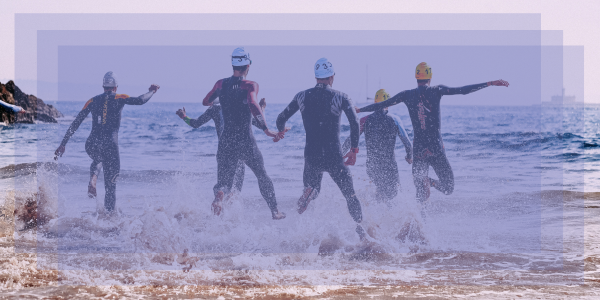
A triathlon wetsuit is not the same as a wetsuit built for surfing or recreational water sports. It should fit like a second skin — snug and supportive — while still allowing full range of motion through your shoulders and arms for an efficient swim stroke.
Beyond warmth, triathlon wetsuits are designed to improve body position in the water. Many athletes rely on their wetsuit for buoyancy just as much as for thermal protection.
And in western Canada? You can almost count on needing one. Open water temperatures rarely exceed 20°C (68°F), making a wetsuit not just helpful — but essential for comfort and performance.
What Actually Matters in a Triathlon Wetsuit
1. Fit. (Yes, this deserves to be first. And repeated.)
Fit is everything.
The most expensive suit made from the highest-grade neoprene won’t perform properly if it doesn’t fit you. A good triathlon wetsuit should:
- Feel snug without restricting breathing
- Allow full shoulder extension
- Sit high in the crotch and underarms (no sagging)
- Eliminate large air or water pockets
Look for suits built with multiple panels — more panels typically allow for a more anatomical fit.
2. Materials
Most triathlon wetsuits are made with Yamamoto or Sheico neoprene and use quality zippers like YKK.
Here’s what you’ll commonly see:
-
Yamamoto 38, 39 & 40
These numbers loosely reference development order.-
38: Common in entry-level suits
-
39: Excellent balance of flexibility and durability
-
40: More flexible and more buoyant (and more expensive)
-
Higher grades are especially beneficial in the arms and shoulders where flexibility improves stroke efficiency. But maximum flexibility everywhere isn’t necessarily ideal — too much stretch in the lower body can allow excess water in and reduce performance benefits.
Twenty years ago, Yamamoto 38 was top-tier. Now, many premium suits combine 39 and 40 strategically. You will also see higher grades like Yamamoto 44 in areas around the shoulders and upper back. Technology evolves — but the gains aren’t always as dramatic as marketing suggests.
3. Aerodome Neoprene
Yamamoto’s Aerodome material sandwiches perforated rubber between the outer skin and inner liner. This increases buoyancy and insulation while reducing weight — and yes, it increases price too. If your budget allows it, Aerodome is a desirable feature but not a necessary one.
4. Sheico Neoprene
Sheico is the largest neoprene manufacturer in the world and is used in brands like Zone3 and others. Many swimmers comment on the comfort of Sheico suits, particularly the jersey liner, which often feels silkier against the skin.
Performance differences are subtle — but fit and comfort can matter over race distance.
5. Limestone-Based Neoprene
You may see brands highlighting limestone-based neoprene as a unique selling feature. The reality? Nearly all premium triathlon wetsuits use limestone neoprene today.
It’s more water-impermeable and more environmentally friendly to produce than petroleum-based rubber — but it’s not brand-exclusive.
Features vs. Marketing
“Arms Up” Design
Some brands promote an “arms up” design as proprietary. In truth, most triathlon wetsuits are engineered to allow full shoulder extension. "Arm Up" design is a common feature, not a brand-unique one.
Zippers
You’ll see:
- Bottom-up zippers (most common)
- Top-down zippers
- Breakaway designs
In practice, most athletes begin unzipping while running to transition. Differences in zipper style rarely translate into meaningful time savings.
Graphics
A sleek design can look great on the start line. But graphics don’t make you faster.
In fact, painted graphics are often less flexible than bare neoprene. Over time, we commonly see tears along the edges of heavily painted sections.
Fit beats Flash. Every time.
The Part Most People Overlook: How You Put It On
Even a perfectly sized wetsuit won’t perform properly if it isn’t put on correctly.
If it’s not pulled fully into position:
- Shoulder mobility can feel restricted
- Excess water can pool in the legs or lower back
- You lose buoyancy
- You lose thermal efficiency
Putting on a wetsuit properly takes technique and patience. It should be worked up gradually from the ankles, ensuring material is evenly distributed before the shoulders go in. Small adjustments make a significant difference in performance.
A properly fitted and properly worn wetsuit should:
- Enhance body position
- Support your hips and legs
- Improve swim efficiency
- Keep you comfortably warm
So… Which One Should You Choose?
There is no universally “best” triathlon wetsuit.
There is only the best one for you — your body shape, your swim mechanics, your race goals, and your budget.
That’s why sizing charts are only the starting point. Two athletes of the same height and weight can fit completely differently in the same suit.
And that’s where experience matters.
We Can Help
We’ve been fitting, selling, and repairing triathlon wetsuits for years. We’ve seen what works. We’ve seen what fails. And we know that proper fit — and proper instruction — makes all the difference.
If you’re thinking about upgrading your wetsuit this season:
- Come in for a proper fit assessment
- Try multiple models
- Learn how to put it on correctly
- Leave confident that it will perform on race day
Because a wetsuit shouldn’t just keep you warm.
It should make you faster, more efficient, and more comfortable in the water.
And we’re here to make sure it does.



Comments