
11 Ways To Be Faster On Your Bike Without Training More

Originally published February 2020. Updated March 2026 with current drivetrain lubrication and tire pressure recommendations and more. The original article only included a 10-point list. This time, we've turned it up to 11!
_______________________________________
11 Ways To Be Faster On Your Bike Without Training More
Getting faster on your bike isn’t always about training more hours. Sometimes the easiest gains come from improving the efficiency of the rider and the machine.
From reducing friction to improving aerodynamics, small changes can add up to meaningful speed gains without requiring extra time on the bike.
Here are 11 ways to ride faster without increasing your training volume.
_______________________________________
1. Clean Your Bike
You probably already know that dirt and grit will gum up and wear down your chain, which is why most riders think about drivetrain cleaning during outdoor riding season.
But winter indoor riding can be surprisingly hard on your bike too.
During long trainer sessions, sweat drips everywhere — and not all of it lands on the floor. When sweat dries it leaves behind salt, which can be abrasive and corrosive to metal parts, bolts, and bearings.
After months of indoor riding and sweat-soaked jerseys, it’s a good idea to give your bike a thorough cleaning. Your bike will run smoother, last longer, and perform better.
_______________________________________
2. Lube the Chain
A well-lubricated chain runs more efficiently. Less friction means more of your pedalling power actually moves the bike forward.
Modern drivetrain care has also evolved in recent years. Many riders are now switching to wax-based chain lubrication systems, which can significantly reduce friction while also keeping drivetrains much cleaner. In fact, we use wax lube most of the time including properly prepping a chain to remove existing oils and debris.
Whether you use traditional wet lube, dry lube, or a wax system, the key is consistency:
a clean, properly lubricated chain saves watts and improves shifting performance.
_______________________________________
3. Get a Tune-Up
Many riders bring their bike in for service only when they hear a strange noise.
But unusual noises are usually a sign that something isn’t working efficiently. Friction, misaligned components, worn cables, or drivetrain wear can all cost you speed.
A regular tune-up ensures:
- smooth shifting
- properly adjusted brakes
- efficient drivetrain operation
- reduced mechanical friction
A well-maintained bike simply performs better. We recommend regular bike tune-ups to keep your drivetrain running efficiently and your bike performing at its best throughout the season.
_______________________________________
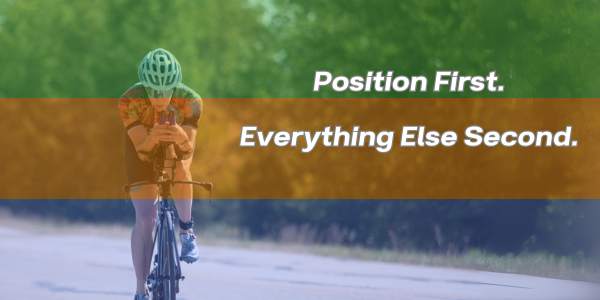
4. Get a Bike Fit - Find Your Aero Position
Comfort and speed are closely related.
The most aerodynamic position in the world won’t help if you can’t hold it for very long. A proper bike fit helps you find a position that allows you to produce power efficiently while staying comfortable and sustainable over long rides.
At Element, bike fitting is a collaborative process. We work with the rider to find the best balance of:
- comfort
- power production
- aerodynamics
Bike fit also isn’t static. As your strength and flexibility improve through the season, small adjustments can help maintain that optimal position.
Keep in mind that your optimal aero position may be very different from someone else’s. The key is finding a position that balances aerodynamics, power, and comfort so you can maintain it for the duration of your ride.
_______________________________________
5. Make Your Bike More Aero
Aerodynamics plays a huge role in cycling speed.
Anything that reduces drag helps convert more of your pedalling power into forward motion.
One of the simplest ways to improve aerodynamics is lowering your front end slightly by adjusting your stem height or stem angle.
Other aerodynamic upgrades can include:
- Aerobars
- Aero wheels
- Aero helmets
- Integrated cockpit components
Even small aerodynamic improvements can translate into meaningful gains on the road.
_______________________________________
6. Make Yourself More Aero
Your body creates far more aerodynamic drag than your bike.
One of the simplest upgrades is wearing properly fitted cycling clothing. Loose clothing flapping in the wind creates drag and literally slows you down.
A few easy improvements include:
- Aero helmets
- Properly fitted cycling jerseys and suits
- Smooth fabrics designed for aerodynamic performance
The key is proper fit. Aero clothing only works when it fits close to the body.
_______________________________________
7. Fuel Properly During Your Ride
This one is entirely up to the rider.
Proper fueling helps maintain energy levels throughout a ride so you can sustain your effort instead of fading late in the ride.
Even mild under-fueling can reduce power output significantly.
Good fueling strategy helps you:
- maintain steady power
- avoid energy crashes
- finish rides stronger
_______________________________________
8. Use Proper Tire Pressure
Optimal tire pressure has changed significantly over the past decade.
Older thinking suggested higher pressure was always faster. But modern testing shows that slightly lower pressures often roll faster on real-world roads because the tire can better absorb surface vibration.
Factors affecting ideal tire pressure include:
- Rider weight
- Tire width
- Rim width
- Road surface quality
Lower pressure often improves comfort, grip, and rolling efficiency — especially on rough pavement.
_______________________________________
9. Improve Mechanical Efficiency
Not all bike components perform equally.
Higher-quality components can reduce friction and improve shifting precision. Even small things like drivetrain alignment, cable routing, and chain condition can affect efficiency.
Examples include:
- smooth drivetrain alignment
- high-quality chains
- efficient cable routing
- properly sized gearing
Small improvements in mechanical efficiency can add up over long rides.
_______________________________________
10. Reduce Bike Weight
We’re not talking about body weight here — this is about the bike.
In general, a lighter bike will accelerate more easily and climb more efficiently.
The hillier your rides are, the more noticeable the benefit becomes.
Weight reductions can come from:
- lighter wheels
- lighter components
- improved frame materials
Even modest weight savings can make a noticeable difference when climbing.
_______________________________________
11. Use Better Training Data
This may sound like it belongs in a training article, but it actually helps you ride faster without training more.
Using tools like power meters and smart trainers allows you to measure your effort accurately and train more efficiently.
Instead of guessing your intensity, you can target specific power zones and maximize the effectiveness of the training time you already spend on the bike.
In other words, better data helps you train smarter, not longer.


Comments